Sports Massage vs Relaxation Massage How Chiropractors and Massage Support Marathon Training

Training for a marathon asks a lot from the body. Miles build endurance, but they also load the feet, calves, hips, back, shoulders, and nervous system week after week. Massage can help, but the right type depends on the goal.
A relaxation massage and a sports or injury-focused massage are not the same experience. Both can be valuable. They just serve different purposes, especially when paired with chiropractic care and a smart training plan.

Relaxation massage helps the body settle down
Relaxation massage focuses on comfort, stress relief, and general well-being. The pressure is usually lighter to moderate, the pace is slower, and the goal is to calm the nervous system.
This style can be helpful during marathon training because recovery is not only about muscles. Sleep, stress, breathing, and mental fatigue all affect performance. When the body stays in a constant “go” state, it may feel harder to recover between workouts.
A relaxation massage may help with:
General muscle tension
Stress from training and daily life
Better body awareness
Feeling rested before or after a heavy week
Mild soreness from normal activity
It is a good fit during lower-mileage weeks, after stressful periods, or when the main goal is to relax rather than target a specific issue.
Sports and injury-focused massage has a more specific goal
Sports massage is usually more targeted. The therapist looks at movement patterns, training demands, tight areas, and symptoms that show up during activity. The session may focus on calves, hamstrings, hip flexors, glutes, feet, shoulders, or another area tied to performance.
Injury-focused massage, sometimes called clinical massage, is often used when there is a specific complaint. That might be a tight Achilles area, recurring calf tension, hip discomfort, or low back tightness after long runs. It should not replace medical care for serious pain, swelling, numbness, weakness, or sudden injury.
Sports massage vs relaxation massage comes down to intent. Relaxation massage aims to calm and restore. Sports massage aims to support movement, reduce training-related tension, and help the body handle physical demands.
A sports massage may include:
Deeper work on specific muscle groups
Assisted stretching
Trigger point work
Myofascial techniques
Pre-event or post-event recovery sessions
Guidance on what the therapist notices during treatment
The session may feel more active and focused. It should never feel like a test of pain tolerance. Productive pressure is one thing. Sharp, burning, or alarming pain is another.
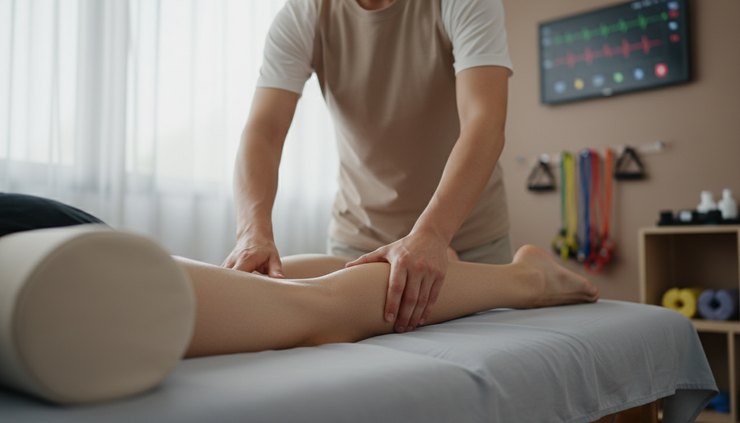
Chiropractors and massage therapists can support different parts of the same goal
Chiropractic care and massage often work well together because they look at the body from related but different angles.
A chiropractor commonly evaluates joint motion, spinal function, posture, gait patterns, and how areas of the body move together. A massage therapist focuses more on soft tissue, including muscles, fascia, and areas of tension.
When these providers communicate, care can feel more complete. For example, a runner with recurring hip tightness may not only need hip massage. They may also need someone to assess low back motion, pelvic mechanics, foot function, or training load.
Working together can support:
Better movement quality
Improved recovery habits
Less compensation from tight or overworked areas
More informed training adjustments
A clearer plan when discomfort keeps returning
This kind of teamwork does not mean every ache needs treatment. It means patterns can be noticed earlier. The goal is to help the body move well enough to train consistently.
Marathon training needs recovery built into the plan
Many runners think of massage as something to book only when something hurts. It can be more useful when it becomes part of the training rhythm.
For marathon training, timing matters.
Training phase | Massage approach |
Base building | Relaxation or general sports massage to manage mild tension |
Higher mileage | Targeted sports massage for calves, hips, hamstrings, and back |
Peak weeks | Careful, specific work that does not leave the body overly sore |
Taper | Lighter work to feel loose, calm, and prepared |
After race day | Gentle recovery-focused massage once the body is ready |
A deep sports massage right before a key workout or race may leave muscles tender. A lighter session may be better close to race day. After a marathon, the body needs time. Gentle work may feel better than aggressive pressure in the first few days.
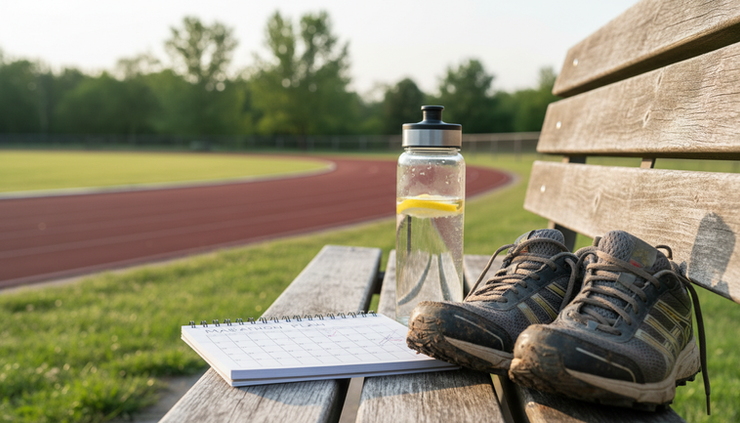
Massage can also support other physical goals
Marathon training is one example, but the same idea applies to many goals. Someone preparing for a hiking trip, lifting program, cycling event, tennis season, or return to regular exercise may benefit from the right type of massage.
The key is matching the session to the goal.
Choose relaxation massage when the main need is rest, stress relief, and general tension reduction.
Choose sports or injury-focused massage when the goal is tied to performance, movement, recurring tension, or a specific area that keeps limiting activity.
Pair massage with chiropractic care when the issue seems connected to how the body moves as a whole. Tight muscles often tell part of the story, but joints, posture, training errors, footwear, and recovery habits can all play a role.
The best approach is personal and practical
A helpful care plan starts with clear information. Before a session, a runner or active person should share:
Current training mileage or activity level
Recent changes in workouts
Where discomfort appears
What makes symptoms better or worse
Upcoming race dates or physical goals
Any medical diagnoses or past injuries
That information helps the provider choose the right pressure, timing, and focus. It also helps avoid doing too much too soon.

The best massage is not always the deepest one. The best chiropractic adjustment is not a stand-alone fix for every problem. Good care supports the training plan, encourages better movement, and respects how much stress the body is already carrying.
This article is for general information only and is not a diagnosis or treatment plan. Ongoing pain, sudden injury, numbness, swelling, or weakness should be evaluated by a qualified health professional.
For marathon training or any physical goal, use massage with purpose. Relax when the body needs calm. Choose sports-focused work when movement needs attention. When massage and chiropractic care work together, they can help create a stronger foundation for consistent training and better overall health.

Comments